From Tasks to Systems: Early MyErp Steps
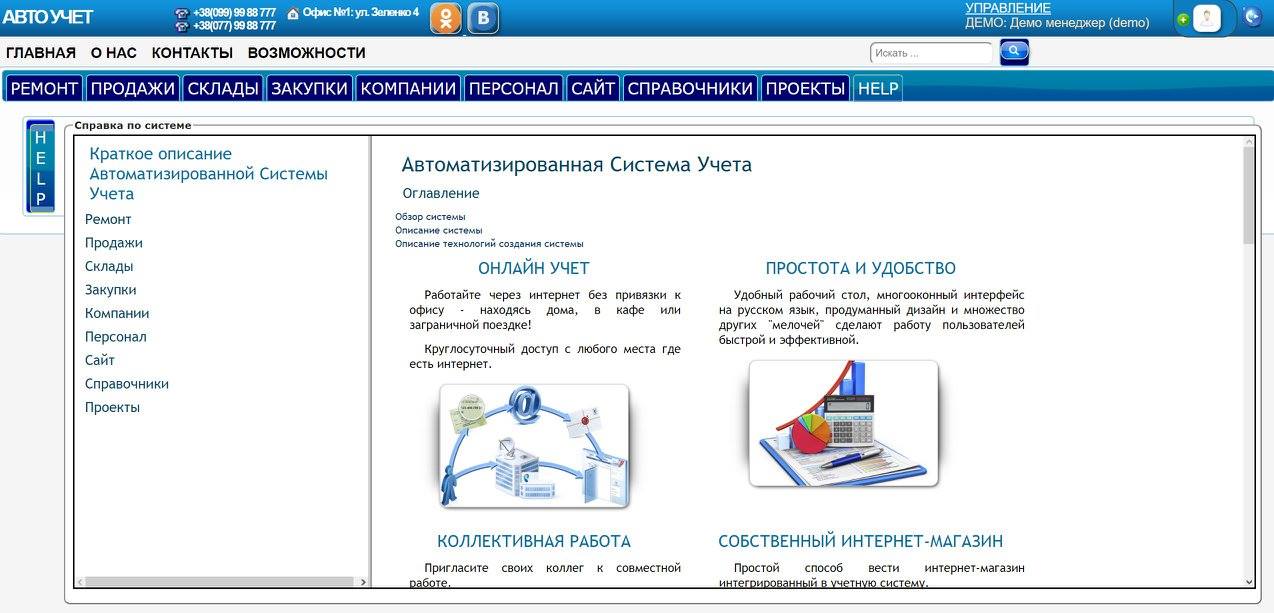
The history of MyErp begins in 2015 with the creation of its first version as a practical tool for real business operations. This was not an abstract product or startup idea—it was built to solve specific problems with direct deployment into a working environment. The primary focus was on operational control, data transparency, and minimizing manual errors. From the start, the approach was clear: not “universal,” but “precisely fit for purpose.”
The first version of MyErp was designed to operate in two environments: within the development company and within the client’s business. This created a unique situation where the system was tested under different real-world conditions simultaneously. The internal environment enabled rapid hypothesis testing and iteration, while the external environment exposed real business constraints and requirements. This dual-loop feedback significantly accelerated product evolution.
The architecture of the first version was monolithic, which was a rational and justified decision at the time. The primary goal was fast deployment and stable operation rather than scalability. A monolith allowed centralized control of logic and reduced development complexity. However, limitations soon emerged: increasing coupling, difficulty of changes, and longer development cycles.
MyErp Version 1 did not aim to cover all possible business processes. Instead, it focused on key areas: transaction tracking, financial control, and core business entities. This approach enabled high accuracy and predictability. The lack of excessive generalization became a strength rather than a limitation.
As data volumes grew and business processes became more complex, system limitations started to surface. The monolithic architecture made scaling difficult, and the lack of clear modularity hindered feature development. These issues were not critical but clearly indicated the need for evolution.
The key outcome of the first version was not just the software itself but the accumulated understanding of real business needs. Core usage scenarios, common user mistakes, and critical process points were identified. This enabled a shift from intuitive development to deliberate system design. In essence, Version 1 became the foundation for the entire MyErp architecture.
The experience gained from Version 1 laid the groundwork for transitioning to the next stage. It became clear that further development required a more flexible architecture, modularity, and scalability. There was a need to formalize business logic and adopt a systematic design approach. Thus, Version 1 concluded not as a final product but as a phase of building the right mindset.
Version 1 of MyErp demonstrates how small, practical steps can build the foundation for large-scale solutions. Through continuous iteration and real-world data, the system became more accurate and resilient over time. The kaizen approach is evident in gradual improvement rather than attempting to design a perfect architecture upfront. For IT and product teams, this highlights the value of early deployment and rapid feedback loops. For investors, it signals a product evolving based on real metrics rather than assumptions.
“Philosophy Kaizen”