MyErp versions

The evolution of MyErp from a product to a scalable SaaS ecosystem platform

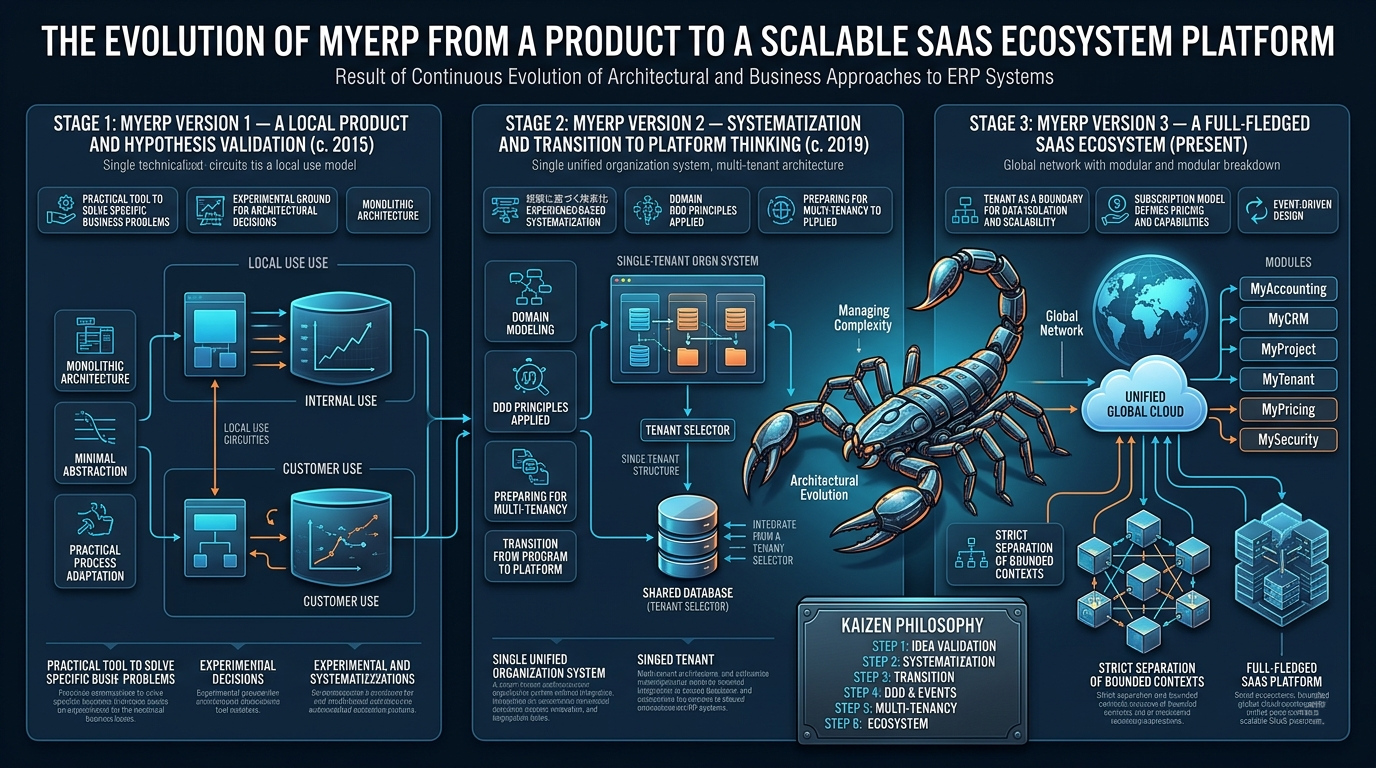
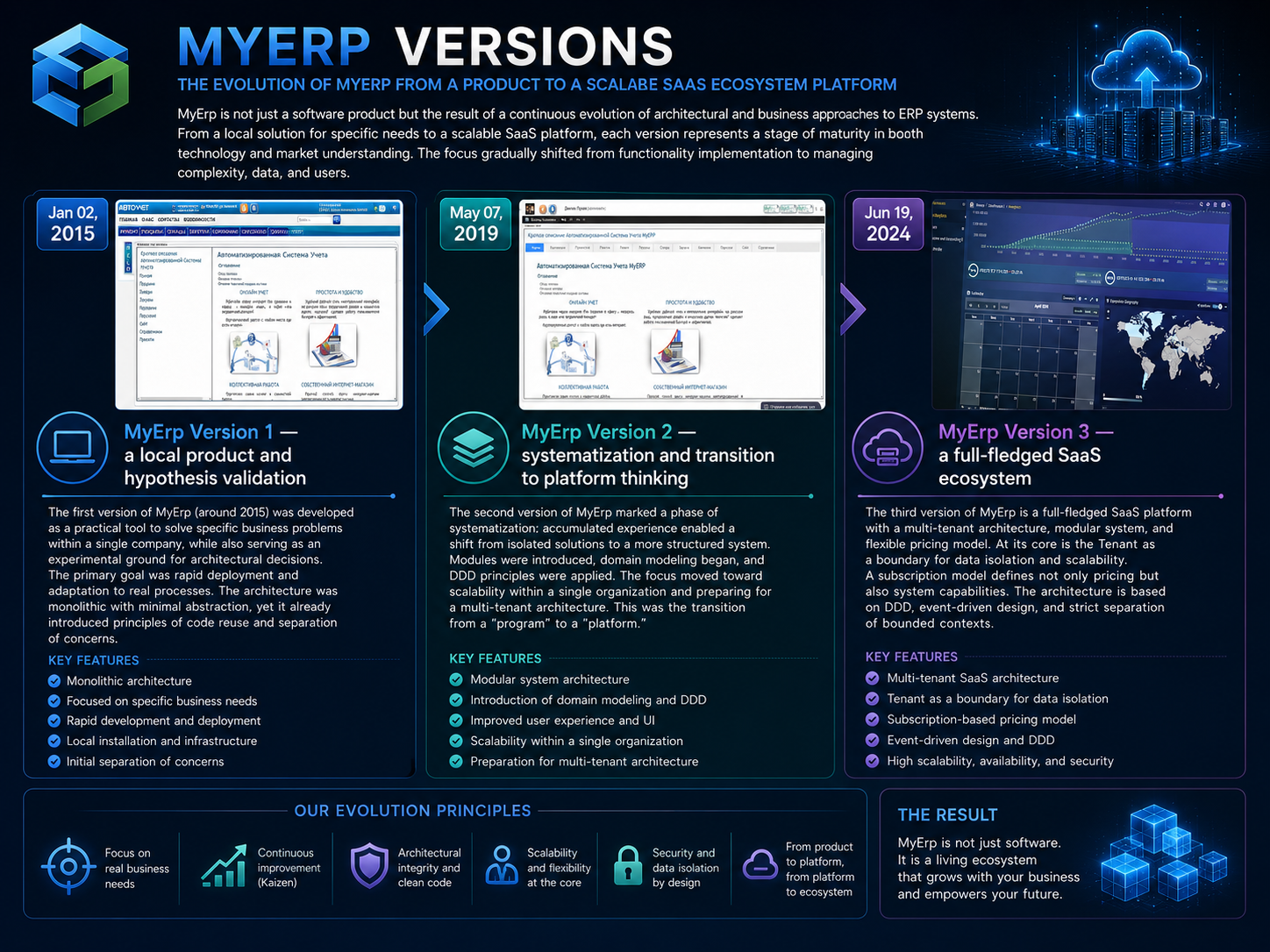
MyErp is not just a software product but the result of a continuous evolution of architectural and business approaches to ERP systems. From a local solution for specific needs to a scalable SaaS platform, each version represents a stage of maturity in both technology and market understanding. The focus gradually shifted from functionality implementation to managing complexity, data, and users.

Jan 02, 2015

MyErp Version 1 — a local product and hypothesis validation

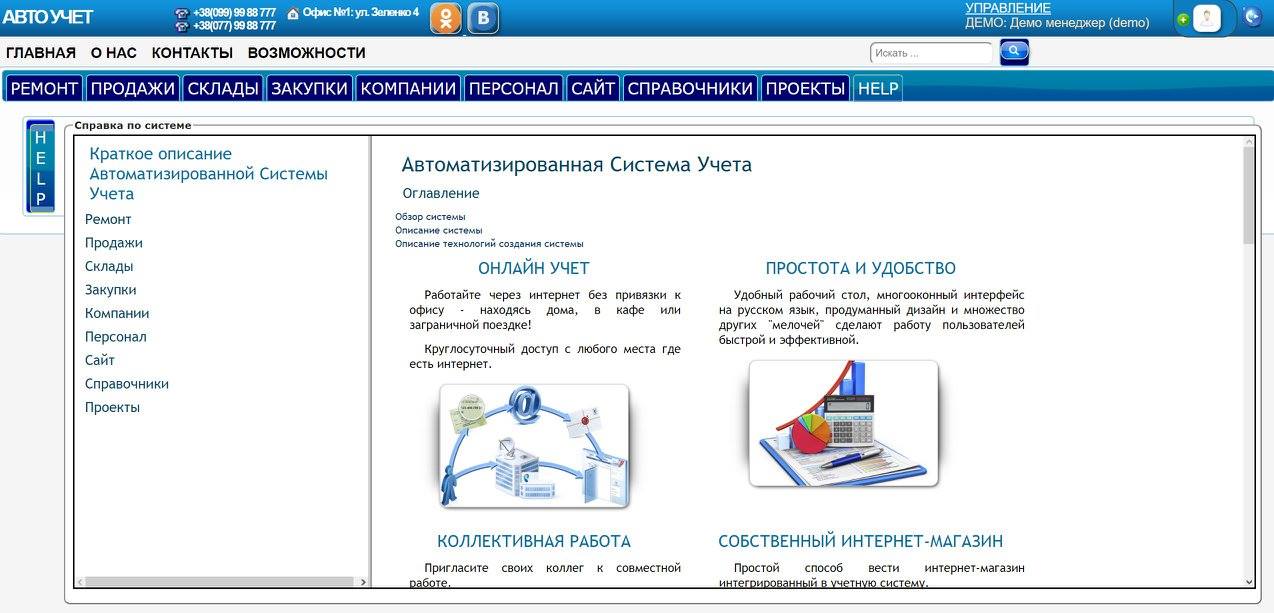
The first version of MyErp (around 2015) was developed as a practical tool to solve specific business problems within a single company, while also serving as an experimental ground for architectural decisions. The primary goal was rapid deployment and adaptation to real processes. The architecture was monolithic with minimal abstraction, yet it already introduced principles of code reuse and separation of concerns.
May 07, 2019

MyErp Version 2 — systematization and transition to platform thinking

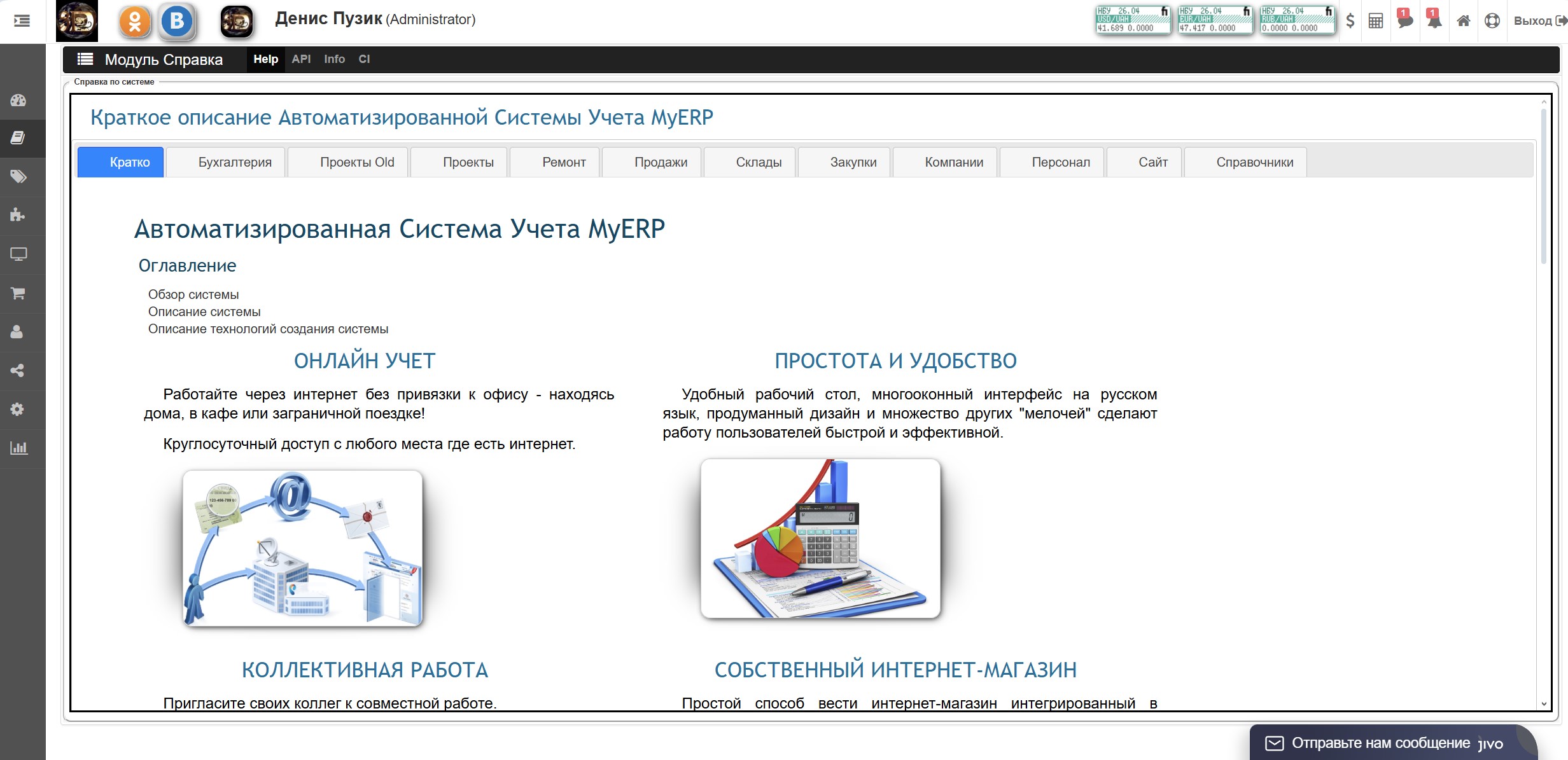
The second version of MyErp marked a phase of systematization: accumulated experience enabled a shift from isolated solutions to a more structured system. Modules were introduced, domain modeling began, and DDD principles were applied. The focus moved toward scalability within a single organization and preparing for a multi-tenant architecture. This was the transition from a “program” to a “platform.”

Jun 19, 2024

MyErp Version 3 — a full-fledged SaaS ecosystem

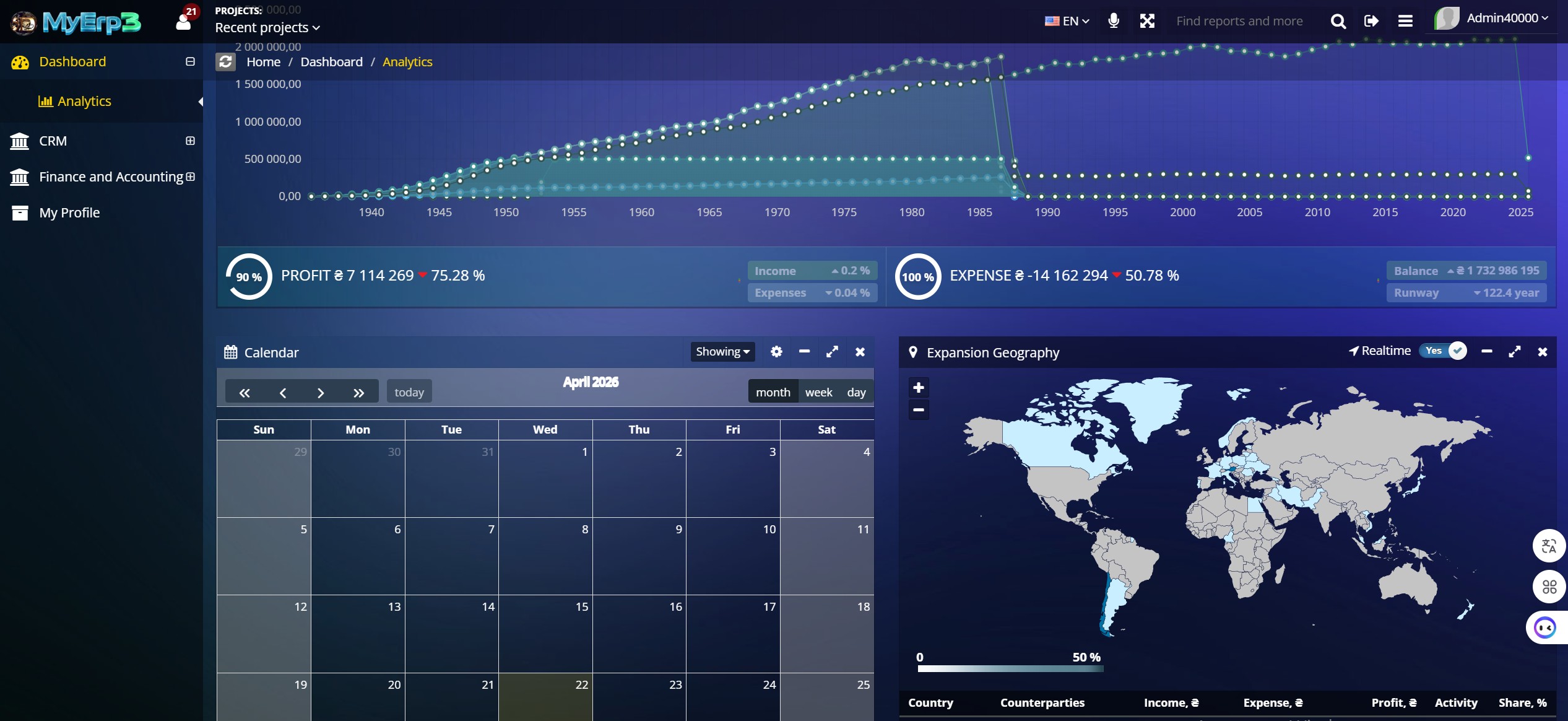
The third version of MyErp is a full-fledged SaaS platform with a multi-tenant architecture, modular system, and flexible pricing model. At its core is the Tenant as a boundary for data isolation and scalability . A subscription model defines not only pricing but also system capabilities . The architecture is based on DDD, event-driven design, and strict separation of bounded contexts.

The evolution of MyErp is not a series of leaps but a continuous improvement process driven by iterative refinement and rethinking decisions. The kaizen approach is reflected in how each version builds upon the previous one, strengthening architecture, business logic, and scalability. For IT and product teams, this means controlled growth without chaos, while for investors it offers a predictable trajectory with managed risks. In the long term, this model ensures product resilience and adaptability to changing market conditions.

“Philosophy Kaizen”